Written by
Christopher Callaghan
Published on
February 10, 2026

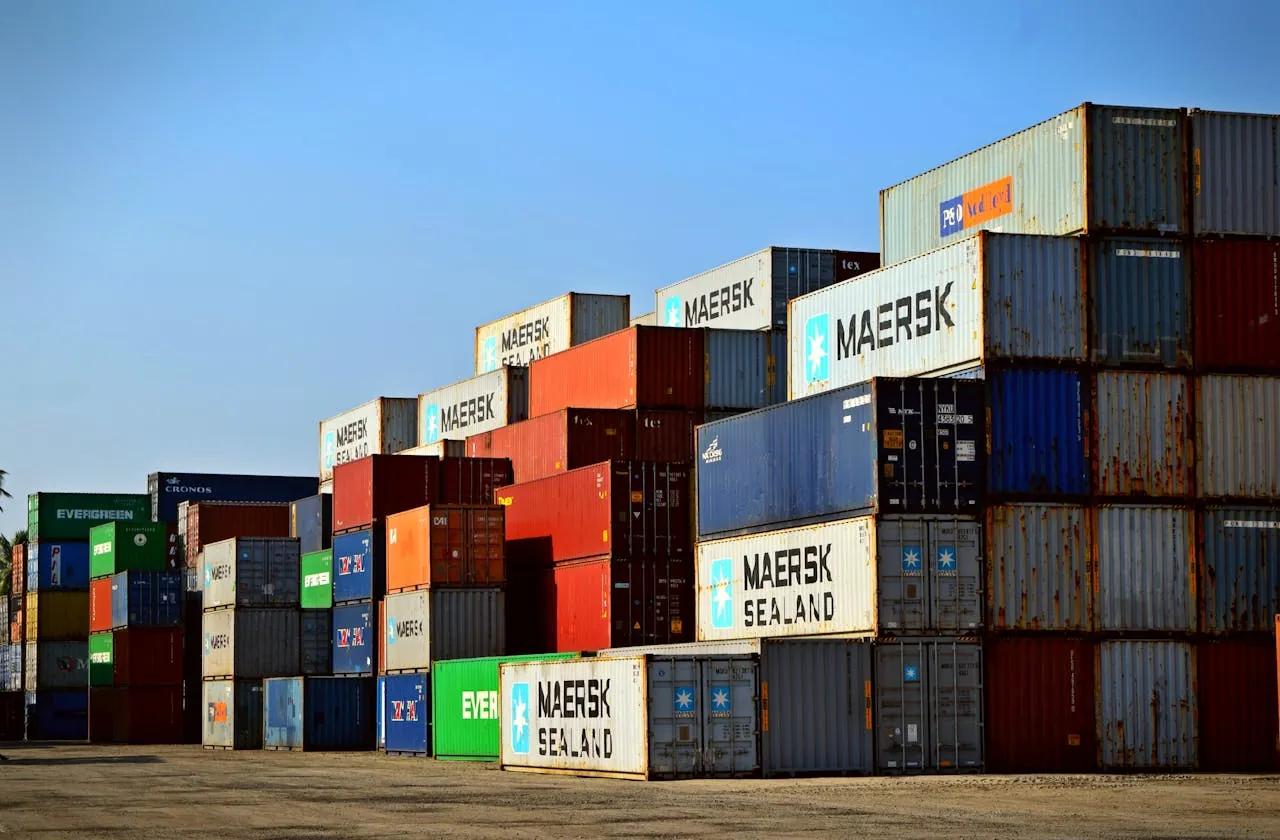
International trade is highly regulated, and all goods entering the United States are subject to inspection and enforcement by U.S. Customs and Border Protection (CBP). While most shipments clear customs without incident, thousands of imports each year are detained, seized, or forfeited due to alleged violations of federal law. These actions can result in significant financial loss, business disruption, and long-term compliance consequences.
When CBP takes enforcement action against an imported shipment, the process is governed by specialized legal and administrative rules that differ substantially from ordinary civil or criminal proceedings. Understanding how this system works—and how to respond promptly and strategically—is essential for protecting one’s rights and minimizing exposure.
This white paper explains the CBP seizure and forfeiture process, the role of the Fines, Penalties, and Forfeitures Office, the most common reasons for enforcement actions, the potential outcomes of a case, and how experienced legal counsel can assist.
CBP is charged with enforcing hundreds of federal statutes and regulations governing imports, including customs laws, intellectual property protections, trade restrictions, public safety rules, and national security measures. In carrying out this mission, CBP has broad authority to inspect, detain, seize, and forfeit merchandise that is suspected of violating applicable laws.
CBP enforcement actions are civil and administrative in nature, even though they may involve allegations of serious misconduct. In certain cases, civil seizures may also be referred for criminal investigation. Most import-related seizures, however, are resolved through the administrative forfeiture system.
The Fines, Penalties, and Forfeitures Office, commonly referred to as FP&F, is the division within CBP responsible for administering enforcement cases involving seizures, monetary penalties, liquidated damages, and mitigation requests. Each CBP port of entry has an FP&F office that exercises authority over cases arising within its jurisdiction.
Once merchandise is seized or a violation is alleged, the matter is typically referred to FP&F for administrative processing. FP&F acts as both an enforcement authority and an adjudicative body within the CBP system.
FP&F is responsible for reviewing seizure reports, issuing notices of seizure and penalty, evaluating petitions for relief, determining mitigation levels, negotiating settlements, and issuing final administrative decisions. In practice, FP&F functions as the primary decision-maker in most import enforcement matters.
III. What Happens When CBP Seizes an Imported Shipment
Not all enforcement actions begin with a seizure. In many cases, CBP first issues a detention notice, temporarily holding merchandise for further inspection or documentation. A detention is investigative and may be resolved through compliance.
A seizure occurs when CBP determines that merchandise is subject to forfeiture under federal law. Once seized, the goods are taken into government custody and the formal forfeiture process begins.
After a seizure, CBP issues a written Notice of Seizure and Information for Claimants. This document is legally significant and establishes strict deadlines for response. Failure to act within these deadlines may result in automatic forfeiture.
The notice typically identifies the merchandise, cites the alleged legal violations, explains the claimant’s rights, and outlines available response options.
CBP may detain or seize imports for a wide range of reasons. The most common include misclassification or undervaluation of goods, false statements or material omissions in entry documents, evasion of customs duties or tariffs, and failure to comply with marking or labeling requirements.
Seizures frequently arise from intellectual property violations, including the importation of counterfeit or pirated goods. CBP also enforces trade restrictions and embargoes, including sanctions administered by other federal agencies.
Public safety and regulatory violations are another major category. These include imports that fail to meet standards enforced by agencies such as the FDA, EPA, CPSC, or USDA. Prohibited or restricted items, such as certain weapons, hazardous materials, wildlife products, and controlled substances, are also subject to seizure.
In addition, CBP aggressively enforces laws related to forced labor, anti-dumping and countervailing duties, country-of-origin fraud, and transshipment schemes.
Time is the most critical factor in any CBP enforcement case. Most notices impose response deadlines ranging from 20 to 35 days. Missing these deadlines can permanently waive legal rights.
Upon receiving a notice, the recipient should immediately calendar all deadlines and preserve all related documents and communications.
Importers and individuals should avoid submitting informal explanations, incomplete statements, or unsupported defenses. Statements made to CBP may be used against the claimant in both administrative and judicial proceedings.
All relevant records should be assembled promptly, including commercial invoices, packing lists, bills of lading, certificates of origin, supplier communications, payment records, testing reports, and prior entry documentation.
Given the complexity of customs enforcement, early involvement of experienced counsel is often decisive in shaping the outcome of the case.
The most common response is filing a petition for remission or mitigation with FP&F. This is a formal request asking CBP to return seized goods, reduce penalties, or mitigate forfeiture based on equitable factors.
Petitions typically address issues such as lack of intent, compliance history, corrective actions, hardship, and proportionality.
In some cases, parties may submit an offer in compromise, proposing a negotiated monetary settlement in exchange for resolution of the case.
Claimants may elect to abandon the seized property, relinquishing ownership without further proceedings. This option may be appropriate when recovery costs exceed the value of the goods.
A claimant may file a formal claim demanding referral of the case to federal court. This triggers judicial forfeiture proceedings and removes the matter from administrative resolution. This option carries higher risk and cost but may be appropriate in high-value or precedent-setting cases.
CBP cases may resolve in several ways. Merchandise may be returned without penalty if the claimant demonstrates compliance. Partial mitigation may occur, requiring payment of reduced fines or forfeitures. In more serious cases, full forfeiture of goods may be imposed, along with substantial civil penalties.
Some cases result in compliance agreements, enhanced monitoring, or referrals to other agencies. In rare circumstances, matters may be referred for criminal investigation.
The outcome depends on factors such as the nature of the violation, intent, compliance history, cooperation, and quality of legal advocacy.
An experienced customs attorney evaluates the legal basis of the seizure, identifies procedural defects, assesses evidentiary weaknesses, and determines optimal response strategies.
Petition Preparation and Advocacy
Effective petitions require detailed legal analysis, factual development, and persuasive advocacy. Counsel crafts comprehensive submissions addressing statutory defenses, regulatory compliance, and equitable mitigation factors.
Experienced counsel maintains professional relationships with FP&F personnel and understands internal policies and mitigation guidelines. This facilitates constructive negotiation and realistic settlement discussions.
When administrative resolution is inadequate, counsel can pursue judicial forfeiture defenses in federal court and seek review of adverse agency actions.
Beyond resolving individual cases, attorneys assist clients in developing compliance programs, internal controls, training protocols, and audit systems to prevent future violations.
CBP seizure and forfeiture actions present serious legal and financial risks for importers and individuals
engaged in international trade. These proceedings operate under specialized administrative rules that
require prompt, informed, and strategic responses.
Early legal intervention, thorough documentation, and professional advocacy significantly increase the
likelihood of favorable outcomes. With proper representation, many seizures can be mitigated, resolved, or
overturned before escalating into major liabilities.
Businesses engaged in cross-border commerce should treat customs compliance and enforcement
response as essential components of risk management and operational governance.
Our firm represents importers, exporters, customs brokers, freight forwarders, logistics companies,
manufacturers, distributors, and international trading businesses in complex customs enforcement,
compliance, and regulatory matters. We focus on CBP seizure and forfeiture defense, customs penalty
mitigation, import compliance audits, tariff and duty disputes, forced labor investigations, valuation and
classification issues, and supply chain risk management.
We regularly assist clients facing CBP detentions, seizures, liquidated damages claims, and penalty actions
at ports of entry throughout the United States. Our practice includes preparing and litigating petitions for
remission and mitigation, negotiating with Fines, Penalties, and Forfeitures (FP&F) offices, defending judicial
forfeiture cases in federal court, and advising on long-term compliance strategies.
Our attorneys bring extensive experience in international trade law, customs regulations, and cross-border
business operations. We understand the operational realities of modern logistics, including port operations,
bonded warehouses, third-party logistics providers (3PLs), ocean and air freight carriers, and global supply
chains. This practical knowledge allows us to deliver efficient, business-focused legal solutions.
We serve clients across industries, including e-commerce, manufacturing, apparel, electronics,
pharmaceuticals, food and beverage, automotive parts, mining and raw materials, and consumer goods.
Whether responding to a CBP notice of seizure, managing an ongoing compliance review, or structuring
preventative import programs, we provide strategic, results-oriented representation.
For experienced legal counsel in CBP seizures, customs forfeiture defense, import compliance, trade
enforcement, and international logistics law, contact our office to schedule a confidential consultation.